
Specialist colony removals • Hampshire
Honeybee removal in Hampshire
Carefully planned honeybee colony removals from buildings, with a full survey, assessment and quotation before work begins.
From accessible colonies to more complex roof, wall and chimney removals, Bentley Environmental provides a practical plan for your property, the bees and everyone using the site.
Request a honeybee removal surveyServing Winchester, Andover, Alresford, Stockbridge and surrounding Hampshire villages.
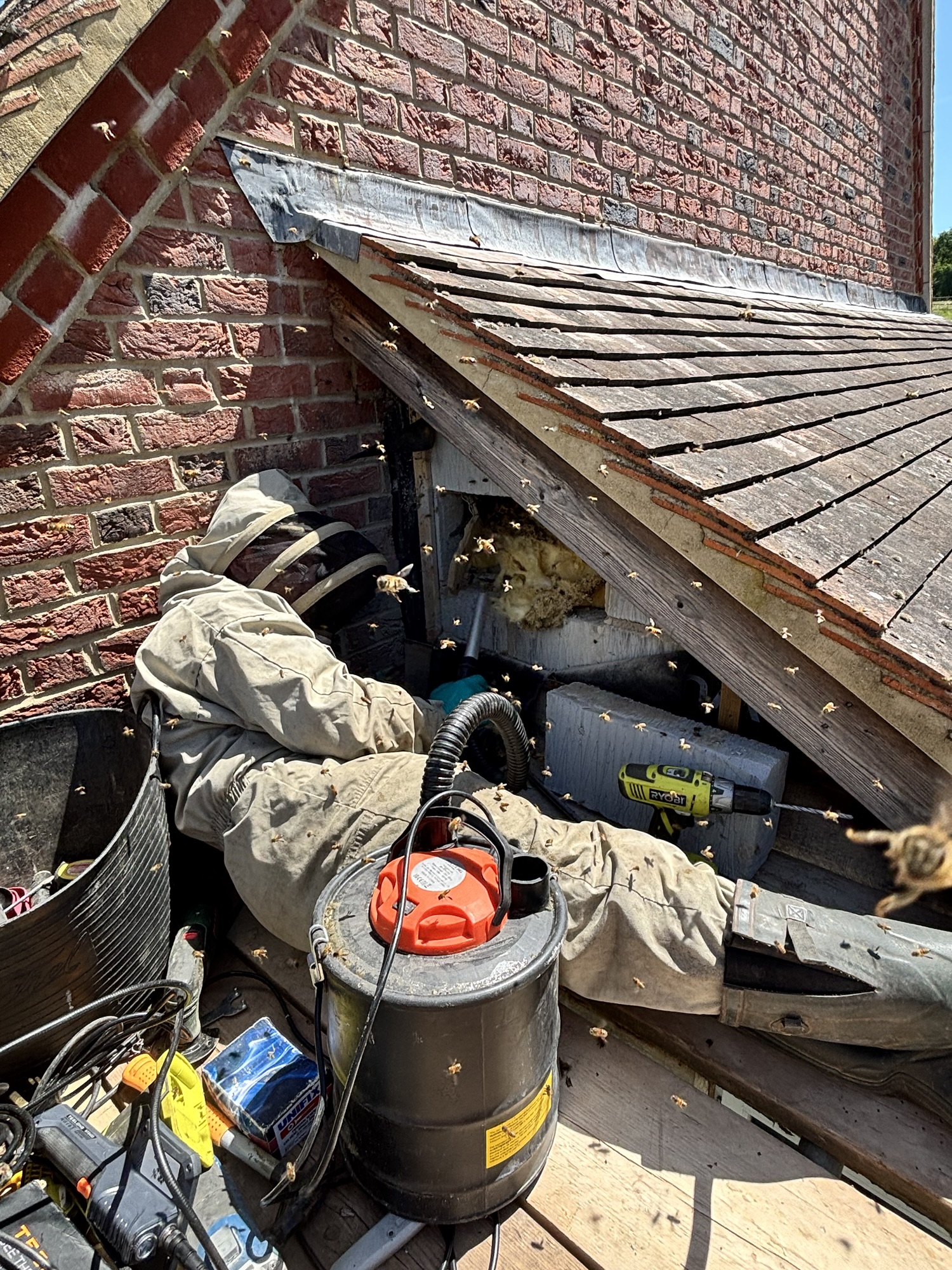
An established colony needs a specialist approach
Honeybees nesting within a building are different from a temporary swarm resting on a branch. An established colony may contain substantial comb, brood and honey stores hidden behind brickwork, roof coverings or other parts of the structure.
Some removals are relatively straightforward; others involve restricted access, work at height or opening up part of the building. We assess the location and condition of the property before recommending whether removal is appropriate and how it can be approached.
Survey before quoting
We confirm the likely colony location, consider access and building condition, and discuss the work needed before providing a quotation.
Planned for your property
The method, equipment, timing and repair arrangements are chosen for the individual site. A photograph alone cannot reveal every hidden detail.
Appropriate insurance
We have the necessary insurance and cover in place for the work we undertake. The proposed scope is agreed before work begins.
Our honeybee removal process
1. Survey and assess
Tell us where bees are entering, how long activity has been noticed and whether the area can be reached safely. We inspect and assess the colony, access, risks and likely extent of opening-up work.
2. Agree the work
You receive a quotation covering the agreed removal approach and any required scaffolding. We also explain preparation, safety restrictions and what repair or reinstatement work is included.
3. Remove and review
We carry out the agreed specialist removal, aiming to recover and relocate the colony where practicable. We then review accessible comb, the opening and the agreed repair or proofing arrangements.
Understanding what is hidden
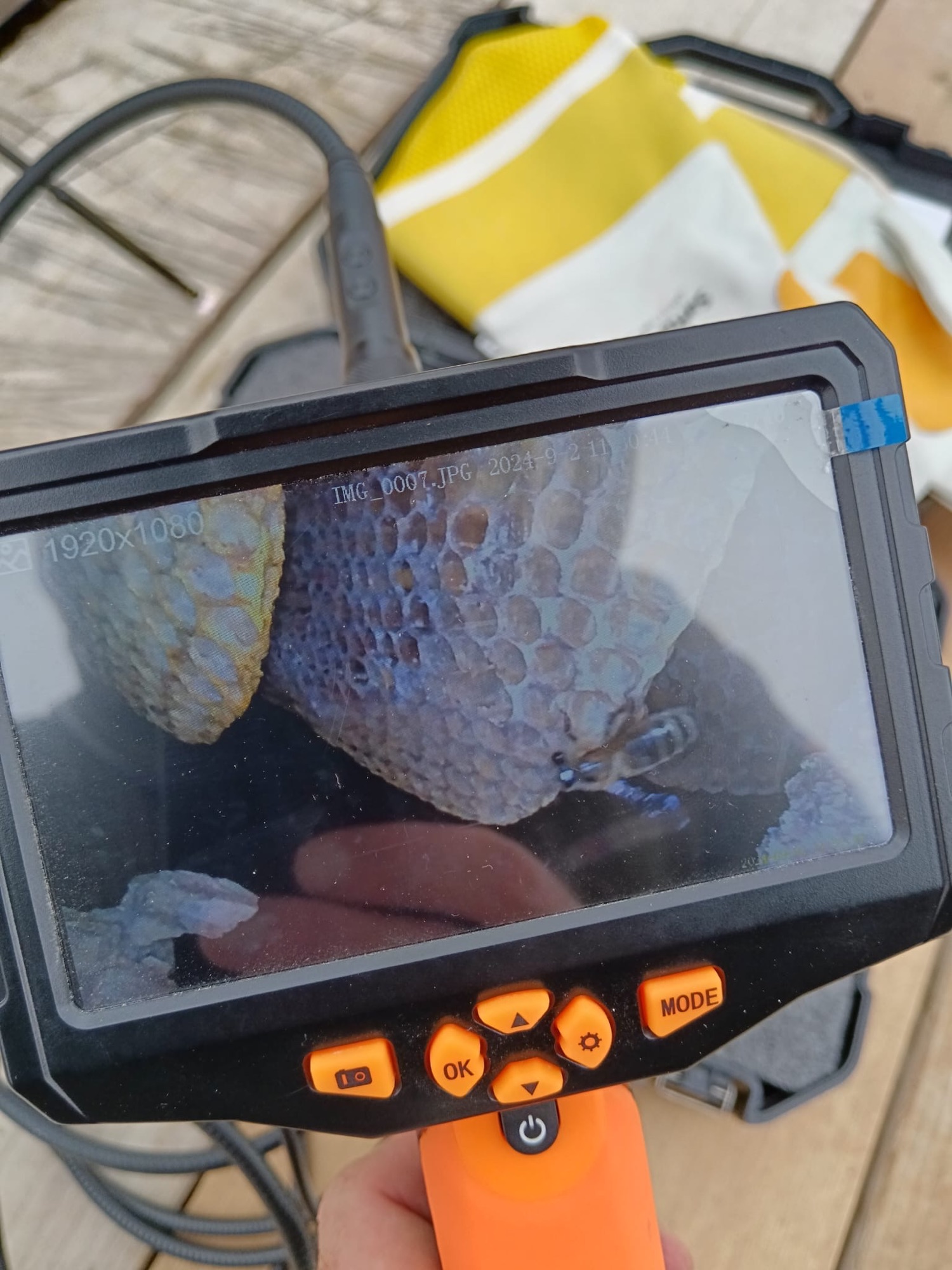
Inspection equipment can help us assess concealed spaces and the position of comb before access is opened. The true extent of a colony or building defect may only become clear once work is under way.
If the findings change the proposed scope, we explain the issue and agree any additional work and costs before proceeding with it.
Access, scaffolding and work at height
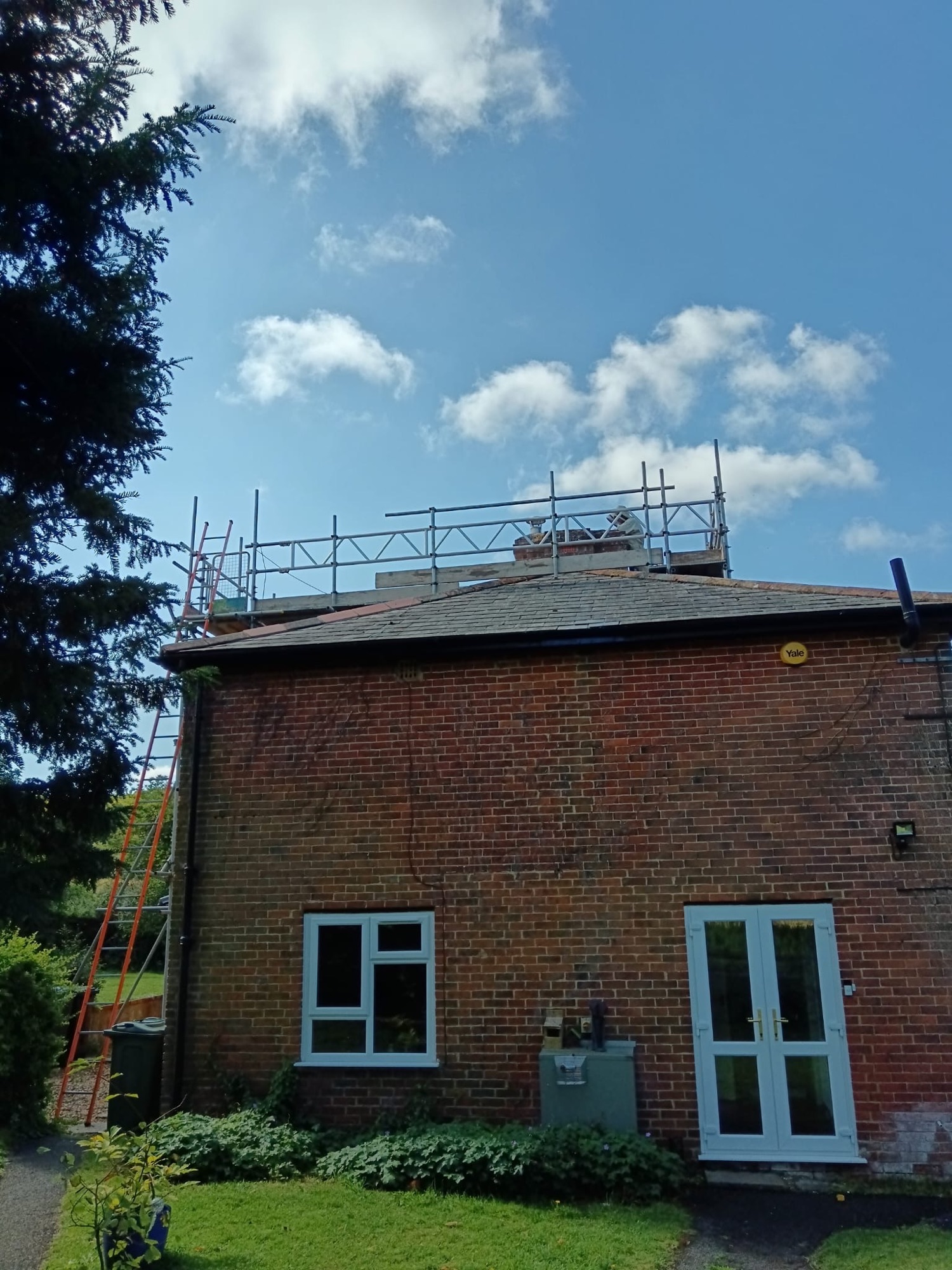
Safe access is part of the removal plan. Scaffolding can be provided by a trusted local company that we use and recommend. Colonies in chimneys, roofs and high-level cavities may require scaffolding so the work can be carried out from a suitable working platform.
Please keep the agreed access route clear and follow any restrictions around scaffolding, equipment and the work area. Customers, visitors and other contractors must not enter the exclusion area or climb the scaffolding.
Weather, access and the condition of the building can affect when work can safely proceed. We discuss this as part of planning the removal.
Customer safety during a honeybee removal
Honeybees can become defensive when their colony is disturbed during removal. Flying bees and the risk of stings can affect the work area and nearby parts of the property, so safety arrangements are essential.
Keep people and animals clear
Follow the site-specific exclusion area and access instructions. Keep children, pets and livestock away, and make sure visitors or occupants know which areas they must avoid.
Prepare the premises
Follow our instructions about windows, doors, ventilation openings and use of nearby rooms or outdoor spaces. Tell us in advance about known sting allergies and any difficulties with keeping areas clear.
Coordinate everyone on site
For businesses and managed properties, nominate a contact who can brief occupants, staff, guests and other contractors. Do not approach the colony, watch from the exclusion area or interfere with equipment.
Please do not block the bees’ entrance, disturb the comb or apply sprays while awaiting assessment. Contact us if the situation or access arrangements change before the visit.
Repairs and making good after removal
Accessing a colony may require lifting tiles, removing boards or opening part of a wall or other building surface. We explain the likely disturbance and reinstatement arrangements as clearly as possible during the survey.
Simple repairs by us
We can carry out some straightforward repairs or making-good work where it falls within the agreed scope. Your quotation will explain what is included.
More substantial building work
Larger repairs may need the services of a builder or maintenance company. We advise on this during the quotation stage and can refer you to a suitable contractor. Any separate building work and costs should be agreed with that contractor.
Use your own builder
You may prefer to appoint your own builder to complete repairs after removal. We can explain the affected areas and coordinate the handover so the work can be planned sensibly.
Comb and honey stores should be considered as part of the removal plan, alongside suitable closure of the access point once removal is complete. Making good and reducing future entry are important, but no building can be guaranteed permanently bee-proof.
Honeybee colonies within buildings
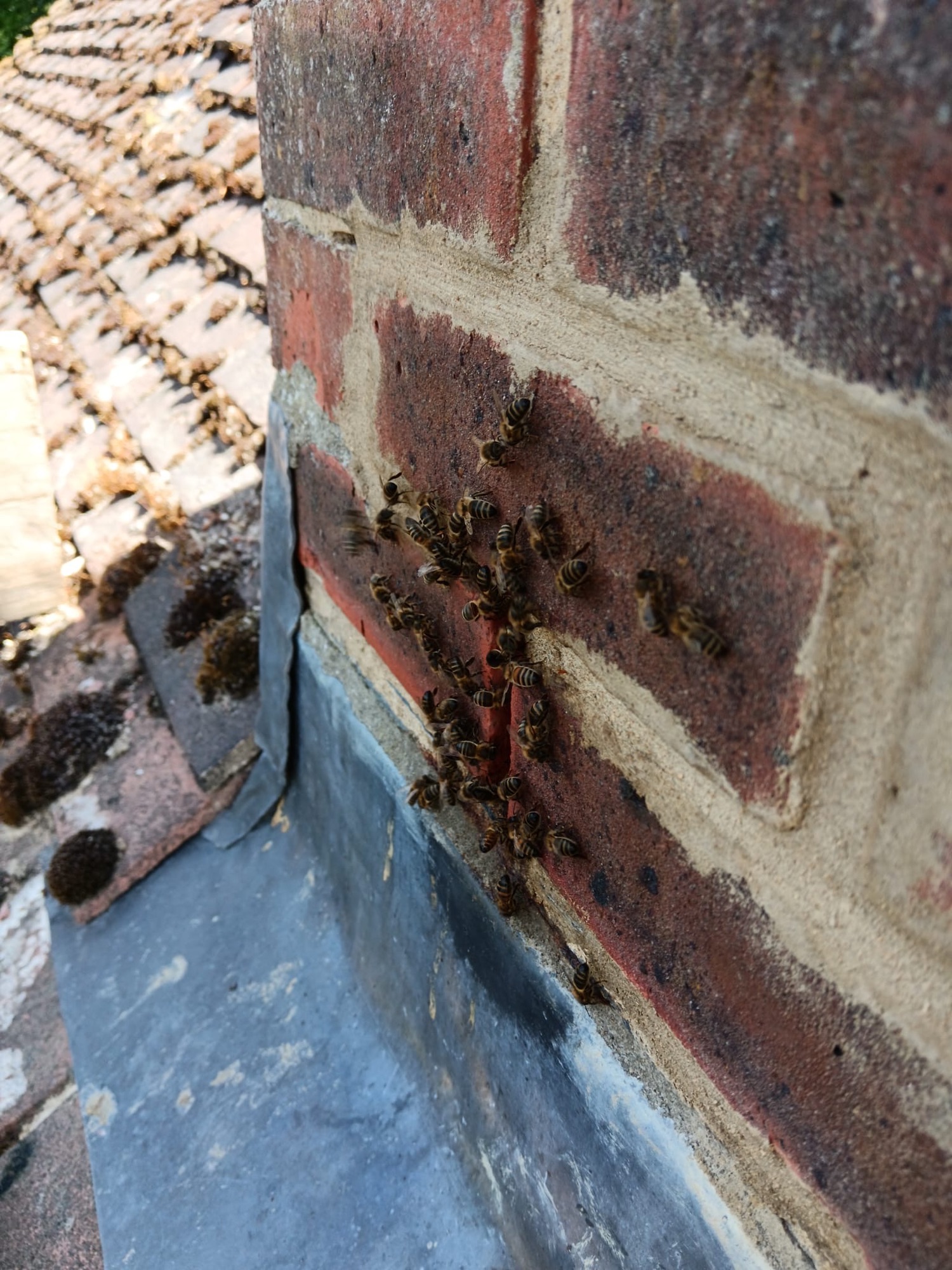
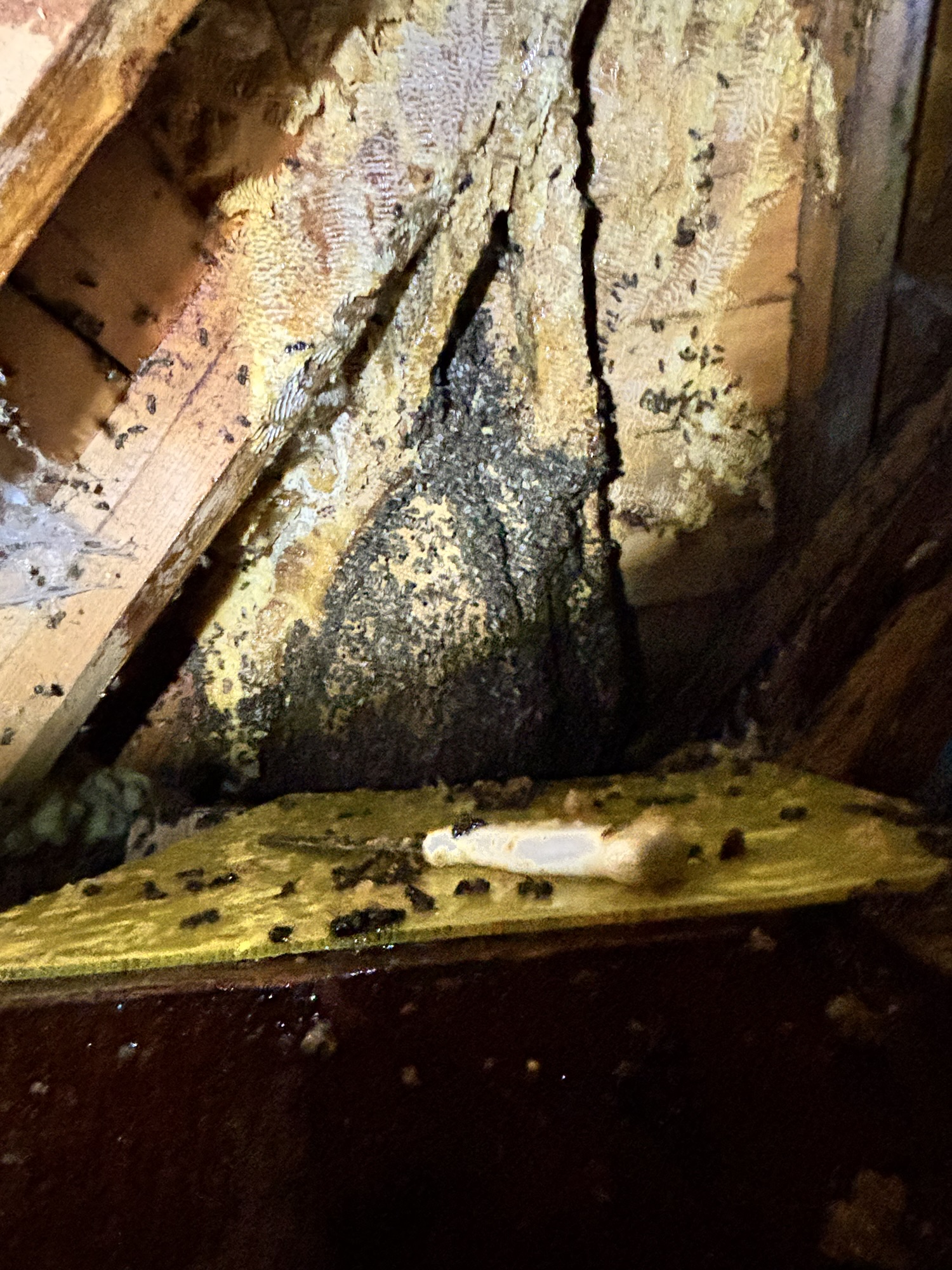
Honeybee removal costs
Full survey, assessment and quotation required
Honeybee colony removal is specialist work, so we do not offer a standard fixed price. The cost depends on the location and extent of the colony, safe access, removal method, scaffolding where required and the agreed repairs or reinstatement.
Our quotation sets out the proposed work and what is included. If hidden conditions mean a different approach is needed, we discuss the options and any change in cost with you.
View our general pricing informationHoneybee removal FAQs
Is a swarm the same as a colony in a building?
No. A temporary cluster of honeybees outdoors may be a swarm looking for a new home. Bees repeatedly entering a wall, roof or chimney may be an established colony. We help establish what you are seeing so the appropriate service can be discussed.
Will all removals need scaffolding?
No. Access varies between properties. Where scaffolding is required, it will be included within our quotation and discussed before the work is arranged.
Do you always have to open the building?
Not every site needs the same method. An established colony may require access through part of the building so bees and accessible comb can be recovered. We explain the proposed approach, its limitations and likely making-good requirements after the survey.
Can we stay at the property during removal?
This depends on the colony location, layout and risks. We give site-specific instructions before work, including any areas that must remain unoccupied or out of use. Please do not assume you can remain close to the work area.
Can you carry out the repairs?
We can undertake some simple repairs within an agreed scope. For more substantial work, a builder or maintenance company may be needed; we advise on this during the quotation stage. We can refer the work, or you can appoint your own contractor after removal. The quotation will distinguish the work included from any separately arranged building repairs.
What happens to the honeybees after removal?
Once removed, the honeybees are taken into the beekeeper’s care and usually placed in a bee nursery. This gives the beekeeper time to check the colony’s health and address any parasites before moving the bees to a new home or hive.
For independent information about established colonies, see the British Beekeepers Association’s guidance on bees in buildings.
Local honeybee removal across Hampshire
Based near Stockbridge, Bentley Environmental helps homeowners, businesses and property managers across Winchester, Andover, Alresford, Stockbridge and the surrounding villages. Selected locations in Berkshire and Wiltshire can be considered on enquiry.
Our office
Unit 4, Newton Manor Farm, Stockbridge, Hampshire SO20 6BP.


