
As autumn arrives, you may notice flies and ladybirds gathering around window frames, on sunny walls or inside your home. Across Hampshire, this is a familiar seasonal problem, particularly in rural properties.
Finding large numbers can be frustrating, but understanding why they are there helps explain what can realistically be done.
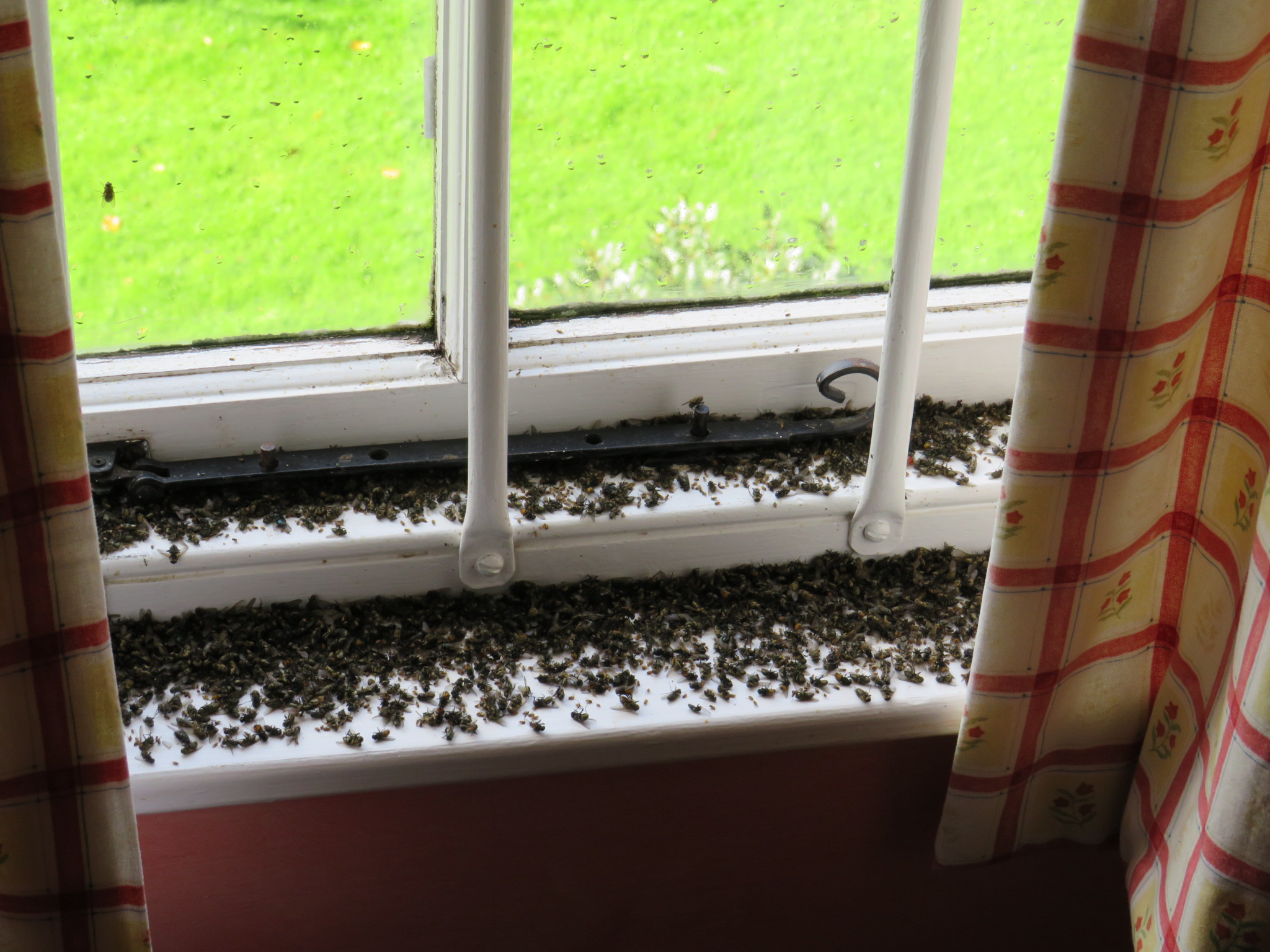
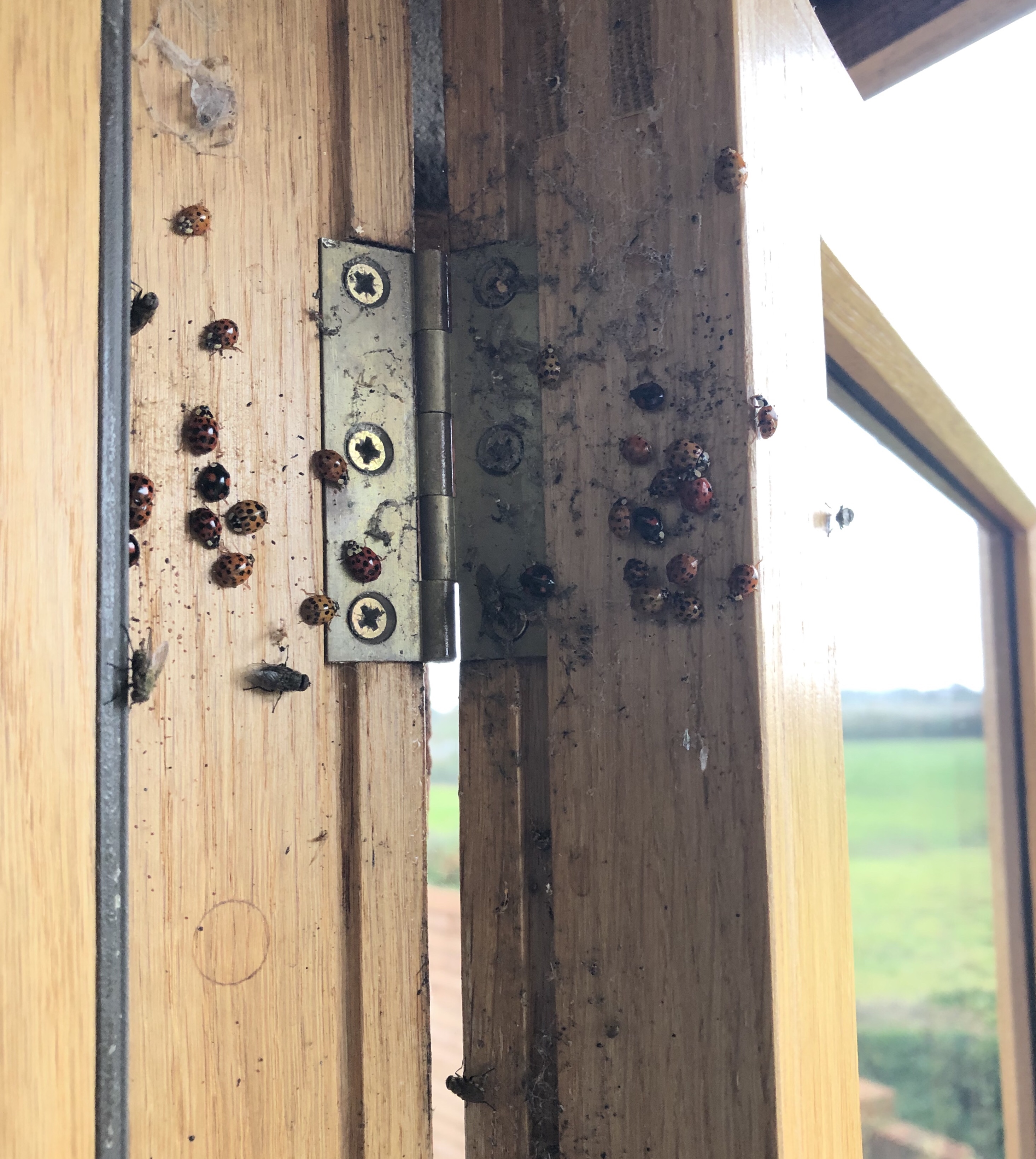
Why do they gather around window frames?
Cluster flies and some other seasonal flies enter buildings in autumn looking for sheltered places to spend the winter. Window frames, cracks, roof spaces and other concealed gaps can provide suitable shelter. Cluster flies may return to the same building year after year.
Ladybirds also seek winter shelter, and some species gather in groups inside buildings. Harlequin ladybirds are one species commonly associated with this behaviour, although native ladybirds can gather indoors too.
Why do they keep appearing?
At Bentley Environmental, we have found seasonal fly problems increasingly difficult to manage during autumn weather that combines cool nights with mild or warm days.
In affected properties, we regularly see flies sheltering overnight and becoming active again during the day, gathering around windows as they attempt to get outside. This can create the impression of a continuous infestation, even when insects are moving in and out of the building.
Does this mean the property is dirty?
Cluster flies gathering for winter shelter are not the same problem as flies associated with waste, food or a breeding source inside the property. However, not every fly found at a window is a cluster fly, so correct identification matters before deciding how to manage the issue.
Ladybirds are generally useful garden insects that feed on aphids and other small insects. Their presence indoors usually reflects a search for shelter. Avoid crushing them, as their defensive liquid can stain furnishings.
What can homeowners do?
- Remove accessible flies with a vacuum cleaner, then empty it promptly into a sealed bag.
- Gently collect ladybirds and release them outdoors, rather than spraying them unnecessarily.
- Clean window frames at the start of autumn and again at the end of winter, using a mild detergent suitable for the surface. Thorough cleaning can help remove chemical traces, sometimes described as pheromones, left by gathering ladybirds and may reduce further gatherings. This is a useful maintenance measure, although it cannot guarantee that ladybirds or seasonal flies will not return.
- Check damaged window seals and obvious gaps. Repairs may reduce entry, although completely excluding small insects is often impractical.
- Keep a record of where and when activity occurs. Photographs can help identify the insects and assess the problem.
Vacuuming is a recognised way to remove accessible cluster flies, while the RHS recommends tolerating or gently removing ladybirds found indoors.
Can pest control stop them returning?
Professional treatment may reduce seasonal fly numbers where appropriate, but timing, access and the location of the insects affect the result.
Our experience is that treatment works best when flies are present in the areas being treated. It cannot guarantee that further insects will not enter afterwards, particularly while autumn weather continues to fluctuate. A reduction in numbers should therefore not be mistaken for permanent prevention.
Ladybirds usually call for a different approach, with gentle removal preferred. Where fly treatment in a roof space is being considered, the potential presence of bats must also be assessed.
Need advice about seasonal insects?
If flies or other insects are gathering inside your property, Bentley Environmental can advise on identification, practical management and whether treatment is appropriate.
Read more about cluster flies and seasonal insects, or contact Bentley Environmental for advice.